


Outputs

SLDN’s activities and interests have generated diverse outputs from press coverage and op-ed pieces in mainstream as sell as specialist media to academic publications in specialist journals. Some of these are highlighted below. See also the Resources page for an array of tools for teachers, parents and professionals.
In the Media
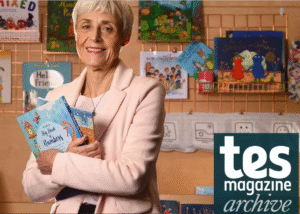
Why schools need to look beyond dyslexia
17 May 2023
It’s important to continue to raise awareness about dyslexia, but lesser-known literacy and language difficulties also deserve our attention, says Maggie Snowling.
[click image to read article]
DSA and genetics: discovering the latest scientific results
13 February 2023
Dr Silvia Paracchini discusses the genetics of dyslexia with the Italian Dyslexia Association in a live streamed event.
Host of genes and genetic variants linked to dyslexia identified
20 October 2022
Research sheds light on hereditary aspect of disorder in largest such study to date. A host of genetic variants associated with dyslexia have been identified by researchers, shedding light on the hereditary aspect of the disorder.
[click image to read article]
Genomic research that can help explain personality traits and behaviour raises ethical questions
12 April 2022
Increasingly cheap and powerful technology means genomic data can be generated at scale, allowing the investigation of the genetic basis for all sorts of traits, including our behaviour and personality.
[click image to read article]
The Genetics of Dyslexia | Specific Learning Disorders, Scotland
13 Jan 2022
In this episode of Dyslexia News Darren chats to Dr Silvia Paracchini & Dr Michelle Luciano following on from their project ‘Specific Learning Disorders in Scotland’ receiving a £10,000 funding boost from the Royal Society of Edinburgh. We delve into the genetics behind dyslexia and the different ways that the learning difference effects people including the impact interests and personality traits have on dyslexia.
Publications
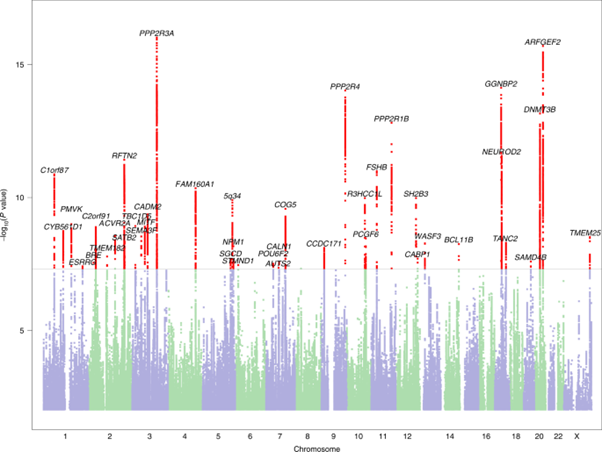
Discovery of 42 genome-wide significant loci associated with dyslexia
Reading and writing are crucial life skills but roughly one in ten children are affected by dyslexia, which can persist into adulthood. Family studies of dyslexia suggest heritability up to 70%, yet few convincing genetic markers have been found.
[click image to read article]
Nature v Nurture
The question of whether it is genes or environment that largely shapes human behaviour has been debated for centuries. During the second half of the 20th century, there were two camps of scientists – each believing that nature or nurture, respectively, was exclusively at play.
[click image to read article]