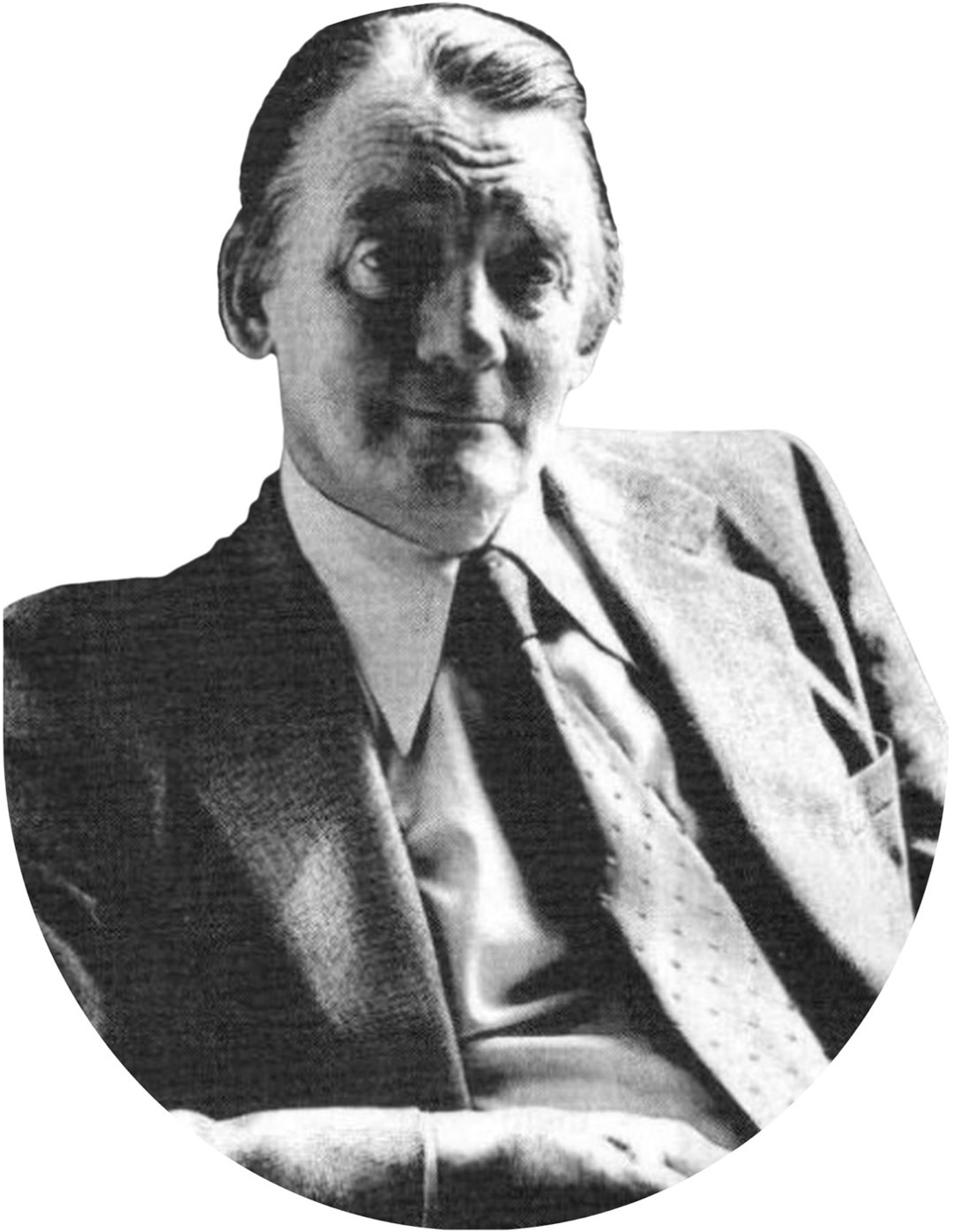
Christopher Booth
Born in Surrey, Booth was raised in North Yorkshire. He graduated with an MBChB from St Andrews in 1951. Booth spent two decades working at the Royal Postgraduate Medical School at Hammersmith Hospital, now part of Imperial College London. He was made Professor and Director of Medicine from 1966 to 1976.
Gastroenterology
Booth’s research focused on the absorption of water, nutrients, and vitamins in the small intestine. His early investigations found that B12 absorption occurred in the small intestines. He was awarded an MD from St Andrews and the Rutherford gold medal in 1958 for this pioneering research.
At Hammersmith, he continued research on nutrient and vitamin malabsorption, leading to important discoveries related to Crohn’s and Coeliac diseases. Booth was a founding member of Coeliac UK to help promote research into this auto-immune disease.
Expanding the boundaries of medicine
Booth was an advocate for clinical science, linking medical science to clinical practice. In 1978, he was appointed Director of the Medical Research Council’s Clinical Research Centre, a position he held until his retirement in 1988.
Booth also believed that medical research and practice benefitted from a deep understanding of its history. He spent the last decades of his career in the Wellcome Institute for the History of Medicine. Influenced by his childhood in the Yorkshire Dales, he wrote about eighteenth-century Quaker physicians in Yorkshire.
Christopher Booth led groundbreaking research into vitamin malabsorption in the digestive tract. His expansive career extended beyond medicine, promoting clinical science and medical history.